Posts Tagged With: gluten-free

Asparagus, feta and sweet potato frittate

You can also use pumpkin in this recipe instead of sweet potato: either works well. You can also cook one big frittata in a frying pan over heat and then finish it under the grill, but we pour ours into muffin pans to oven-bake… and add some of our lovely Bondi herbs for an aromatic twist.
ourkitchengarden.net

Fresh from the garden: eggs, asparagus, sweet potato, marjoram, thyme
Recipe source: Melissa
Makes: 12 large or 24 mini fritatte

Equipment:

  • Pastry brush
  • 12-hole cupcake tin
  • Chopping board & knives
  • Potato peelers, scissors
  • Salad spinner
  • Large frying pan
  • Grater, scales
  • Wooden spoon
  • Bowls – large, med, small
  • Tongs, whisk
  • Serving plates
Ingredients:

  • Half a large sweet potato
  • Half a bunch of asparagus spears
  • Small handful marjoram and thyme sprigs
  • 2 tablespoons olive oil
  • Flaked salt and freshly ground black pepper
  • 100g feta cheese
  • 10g parmesan
  • 6 large eggs

What to do:

  • Preheat the oven to 180C.
  • With the pastry brush, paint a little olive oil into each hole of the cupcake tins to grease.
  • Peel the sweet potato and carefully chop into 1cm cubes.
  • Trim the woody ends from the asparagus and then chop or snip into 1cm pieces.
  • Wash the herbs and spin them dry. Strip the leaves from the stalks & reserve.
  • Heat the frying pan with the oil and toss in the sweet potato. Season well with salt and pepper. Cook, turning occasionally, for about 4 minutes over medium heat until the cubes are just tender and lightly golden at the sides.
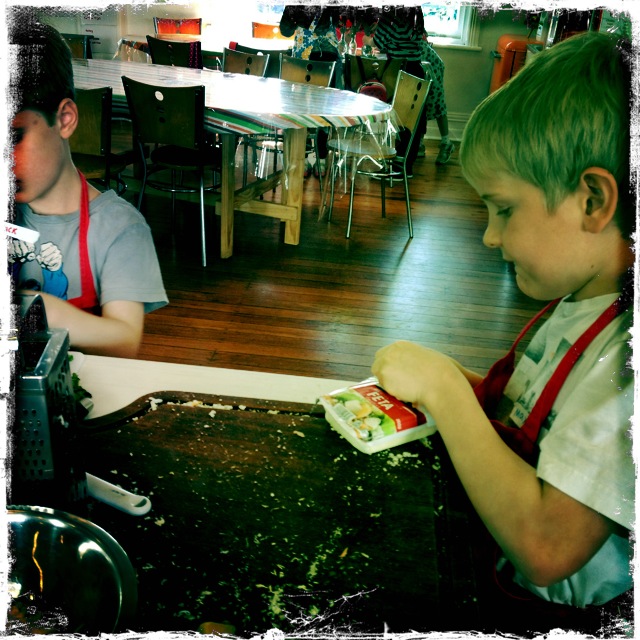
  • Meanwhile, cut the feta into small cubes and grate the parmesan.
  • Stir the asparagus into the sweet potato and cook for 2 minutes until just tender.
  • Then add the cubed feta and gently stir to mix in.
  • In the large bowl, lightly beat the eggs with the herbs, parmesan, a pinch of salt and a grind of pepper.
  • Divide the sweet potato mixture evenly into the cupcake holes, spoon the egg mixture over and bake in the oven for about 15 minutes until cooked.

Notes: Why is the name of this recipe frittate, ending in e? What other vegetables could you use in the recipe? What animals’ milk makes feta?

Categories: Kitchen Garden, Recipe | Tags: , , , , , , , , , | Leave a comment

Holiday program menu for 4 to 7 year olds

ourkitchengarden.netMENU
4 to 7 year olds

Introduction
Good morning chooks!

MORNING TEA
Asparagus, feta & sweet potato frittate
Orange & cardamom cakes with cream cheese icing
Herbal tea*

Garden walk
Harvesting

LUNCH
Linguine with broad beans, lemon and garden herbs
Our spring salad with strawberries and flowers*

Goodbye chooks!

ourkitchengarden.net

We had such a lovely day with the little ones – 17 in all with a few keen-beans as young as 3 and one tiny tot helping! Every single one got stuck in to the grating, the spinning, snipping with the scissors, podding the broad beans – and then podding them again!

ourkitchengarden.net

I perhaps over-estimated what we could all do in the time we had… luckily I had some FANTASTIC mums who jumped right in, at the ready, and helped all our wee ones have a ball of a time… next time ladies, I will simplify it a bit – and will definitely get into the garden early on to avoid the scorching heat! (who’d a thunk it feeling the chilly weather today?!) But we got it all done and some absolutely dee-licious food on the table.

ourkitchegarden.net

It just makes me so happy to see these wee sprites getting in to it, and concentrating to get their jobs done – so many of them know all the herb names and can use kitchen equipment well… we have to thank shows such as masterchef for continuing to spread the good message about cooking!

ourkitchengarden.net

So now what happens? Back to school for term 4! I’m greedily compiling the menu for the next few weeks… globe artichokes, asparagus, beetroot… watch this space for some spring motivation!!! Meanwhile the last word on this post goes to this little poppet… don’t you just want to stuff her in a  sandwich and gobble her up, shoes ‘n all?!!!

ourkitchengarden.net

Categories: Kitchen Garden, School Holiday Program | Tags: , , , , , , | Leave a comment

Our spring salad with strawberries and flowers

This is a lovely salad to pair with heavily flavoured dishes and is fun to prepare – try not to gobble all the strawberries first!

ourkitchengarden.net
Fresh from the garden: Beetroot, lettuces, rocket, strawberries, edible flowers, lemon, parsley, marjoram, thyme, coriander, oregano
Recipe source: Melissa

Equipment:

  • Medium saucepan
  • Bowls – 2 large
  • 2 salad spinners
  • Tea towel
  • Kitchen paper
  • Chopping board & knife
  • Mortar & pestle
  • Measure – 1/3 cup
  • Citrus juicer
  • Mezzaluna, teaspoon
  • Serving bowls, little tongs
Ingredients:

  • A bunch of baby beetroot
  • A large handful salad leaves
  • A few garnishing flowers
  • A handful of strawberries

Herby vinaigrette dressing

  • 1 small garlic clove
  • Flaked salt & black pepper
  • 1 lemon
  • 1/3 cup extra virgin olive oil
  • A small handful mixed herbs:
    parsley, marjoram, thyme, coriander, oregano, chives

What to do:

  • Chop off the beetroot leaves, keeping any small leaves. Scrub the beets and place them whole into the medium saucepan and fill with cold water. Set to boil for about 20 minutes.
  • Fill up the 2 big bowls with cold water & wash the salad leaves, gently dunking them a handful at a time into the water, then pulling out to see if any dirt is left behind. Repeat in fresh water until no dirt remains. Spin the leaves dry and then wipe the bowls dry.
  • Wash the flowers separately and drain on a piece of paper towel. Keep the flowers reserved, picking off the petals to use.
  • Wash and spin dry the herbs, and pick off the leaves. Wash and hull the strawberries and slice.
  • Lay out the tea towel and line it with kitchen paper. Spread the salad leaves over the paper and roll the whole lot up like a log. Keep the rolled parcel of leaves in the fridge until needed.
  • When the beetroot are tender, drain them and place under running cold water until cool. Slip the skins off with your fingers and slice up.

To make the dressing:

  • Peel the garlic clove and put it in the mortar with a large pinch of salt. Pound to a paste.
  • Juice the lemon and add the juice to the mortar (without the pips) then stir the lot with the teaspoon and scrape it into a large bowl.
  • Stir in the olive oil and grind a little pepper, then whisk the dressing lightly. Add the herbs, chopping any large leaves in the mezzaluna if needed. Add to the dressing in the large bowl.

To assemble:

  • Unwrap the parcel of salad leaves & tip them into the bowl with the flower petals, herbs, strawberries, beetroot and the dressing. Gently turn the leaves in the dressing using your hands or tongs.
  • Transfer the salad to the serving bowls and serve immediately with little tongs.
Categories: Kitchen Garden, Recipe | Tags: , , , , , , , , , , | Leave a comment

Fritatte of beetroot leaf, sweet potato and feta

Gordon’s original recipe calls for spinach but I think this is a great way to use up our many beetroot leaves. He also suggests cooking in one big pan over heat and then finishing under the grill, where we pour ours into muffin pans to oven-bake… We also add some of our lovely herbs for an aromatic twist.

ourklitchengarden.net

From the garden: sweet potato, beetroot leaves, eggs, marjoram, parsley
Recipe source: adapted from a recipe by Gordon Ramsay

Equipment:

  • Pastry brush, potato peelers
  • Scales
  • Chopping board & knives
  • Paper towel
  • Measuring tablespoon
  • Large frying pan
  • Wooden spoon
  • Large bowl
  • Tongs, whisk
  • Cupcake tins: 2×12-hole large or 2×24-hole mini
  • Serving plates
Ingredients:

  • 1 large sweet potato (about 500g)
  • Large handful of beetroot leaves
  • Small handful marjoram and parsley
  • 4 tablespoons olive oil plus extra
  • Flaked salt and freshly ground black pepper
  • 200g feta cheese
  • 20g parmesan
  • 12 large eggs

What to do:

  • Preheat the oven to 180C. Brush a little olive oil into each cupcake hole.
  • Peel the sweet potato, and then chop flesh evenly into 1cm cubes.
  • Wash the beetroot leaves in several changes of water and shake dry. Chop the stalks and leaves into 1cm strips, to yield about 150g cut strips.
  • Wash the herbs and pat dry with paper towel. Strip the leaves from the stalks & chop finely.
  • Heat the frying pan with the oil and toss in the sweet potato. Season well with salt and pepper. Cook, turning occasionally, for about 4 minutes over medium heat until the cubes are just tender and lightly golden at the sides.
  • Meanwhile, cut the feta into small cubes and grate the parmesan.
  • Stir the beetroot leaves into the sweet potato and cook for about 3 minutes until wilted.
  • Then add the cubed feta and gently stir to mix in.
  • In the large bowl, lightly beat the eggs with the herbs, parmesan, a pinch of salt and a grind of pepper.
  • Divide the sweet potato mixture evenly into the cupcake holes, spoon the egg mixture over and bake in 180C oven: about 15 minutes for the mini frittate and 20 minutes for the large.

Notes: Why is the name of this recipe frittate, ending in e? What other vegetables could you use in the recipe? Which animals’ milk can make feta?

ourkitchengarden.net

Categories: Kitchen Garden, Recipe | Tags: , , , , , , , , , , , | Leave a comment

Salad of blood orange, beetroot, radish and goats’ cheese

We love the arrival of blood oranges to signify the end of winter & beginning of spring! This salad is a firm favourite of ours, with its contrasting flavours and textures, and beautiful deep colours.

Our Kitchen Garden

Serves: 6 or 24 tastes
Fresh from the garden: blood oranges, radishes, beetroot, beetroot leaves, lettuce leaves, marjoram

Equipment:

  • Chopping board & knife
  • Small saucepan & lid
  • Colander
  • Paper towel
  • Measuring: tablespoon, teaspoon
  • Bowls – large, small
  • Garlic press
  • Salad spinner
  • Fork
  • Plates to serve
Ingredients:

  • 3 or 4 baby beetroot
  • A small bunch of radishes
  • Small sprig of marjoram
  • A handful of lettuce leaves
  • 3 blood oranges
  • 1 garlic clove
  • 2 teaspoons aged balsamic vinegar
  • 2 tablespoons extra-virgin olive oil
  • A small roll of goats’ cheese
  • Flaked salt and black pepper

What to do:

  • Cut the leaves from the beetroot, leaving about 2cms of stalk and reserving any small leaves. Gently scrub the beets to remove any dirt and place them in the saucepan with cold water to cover by about 5cm. Heat on high with lid on and boil for 20 minutes until soft when pierced.
  • Remove the stalks from the radishes & discard. Wash them well and then wipe dry with paper towel. Finely slice the radishes into thin discs and slide them into the big bowl.
  • Wash, dry and pick the marjoram leaves and reserve for the garnish.
  • Carefully wash and spin the lettuce and beetroot leaves dry. Break up into smaller pieces with your hands if needed, then roll up into a kitchen paper-lined tea towel & place in the fridge until needed.
  • Peel the oranges, removing any white pith and discarding it. Carefully cut the oranges into thin slices crossways and then place them into the big bowl. Scrape any juice into the bowl.
  • Squeeze the garlic through the garlic press into the small bowl.
  • Mix into the garlic the balsamic vinegar and olive oil, whisk with the fork and pour over the orange and radishes.
  • Season with salt and pepper and stir together gently. Leave to marinate for 10 minutes.
  • Meanwhile when the beetroot are soft, drain the saucepan and fill with cold water to cool the beets. When cool to handle, slide off the skins and root and thinly slice the beetroot. Add the slices to the radish and orange and combine in the dressing.
  • To finish, divide the salad leaves among your serving plates and scatter the beetroot mixture on top. Remove the wrapping from the goats’ cheese and dab chunks of cheese over each salad. Sprinkle with the marjoram and serve.

Notes: What other fruit and vegetable combinations can you think of for a salad? What other fruits can be dressed with balsamic vinegar? Why do we let the salad ‘rest’ for 10 minutes?

Categories: Kitchen Garden, Recipe | Tags: , , , , , , , , , , , | Leave a comment

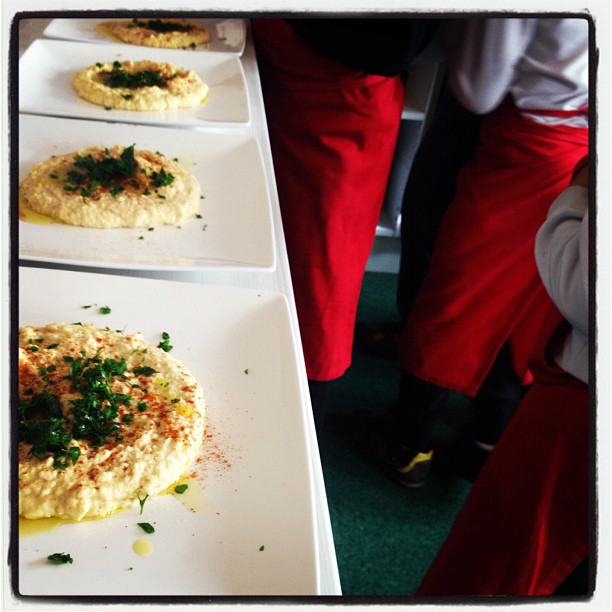
Yotam Ottolenghi’s Hummus

Fresh from the garden: lemon, sage, parsley

Recipe source: adapted from a recipe by Yotam Ottolenghi’s beautiful and inspirational book, Plenty

………………………………………………………………………………………………………………………………………………

This recipe is really worthy setting the reminder app on your phone to soak the beans… it is totally delicious and I defy you not to keep eating the whole lot… and why not? It’s really only chickpeas, tahini and water! Hooray!

Equipment:

  • Scales
  • Glass bowl
  • Colander, sieve
  • Medium saucepan
  • Chopping board & knife
  • Salad spinner
  • Lemon juicer
  • Garlic press
  • Food processor
  • Spatula
  • Measures – tablespoon, teaspoon
  • 4 small serving plates
Ingredients:

  • 250g dried chickpeas
  • 1 tablespoon bicarbonate of soda
  • 1 small branch of sage
  • 125g tahini paste
  • ½ a lemon
  • 6 garlic cloves
  • Extra-virgin olive oil
  • Small handful parsley
  • 1 teaspoon sweet paprika
  • Flaked salt and black pepper

What to do:

  • Before cooking the chickpeas you will need to soak them overnight. Place them in a large non-metallic bowl with double their volume of water and a tablespoon of bicarb.

Start of lesson:

  • Drain the chickpeas into the colander and rinse them well, then put them into the medium saucepan with about 3cm cold water to cover.
  • Rinse the sage, keeping the branch whole, and shake dry. Peel 3 of the garlic cloves and add them, whole, to the saucepan. Also add the branch of sage and a grind of pepper. Bring to the boil, then set on a low heat & simmer for about 30 minutes until totally soft and easy to mush.
  • Juice the lemon half. Crush the remaining 3 cloves of garlic.
  • Wash and spin dry the parsley carefully, pick off the leaves and chop finely.
  • Drain the chickpeas into the sieve over a clean bowl, reserving the cooking liquid. Transfer them & the cooked garlic cloves to the food processor, keeping a few to garnish at the end, and add the tahini, a tablespoon of lemon juice, the crushed garlic, and ½ teaspoon salt. Blitz for a minute or two until totally smooth.
  • Add some of the cooking liquid and blitz again. You want the mixture to be very soft, almost runny, but just holding its shape. Taste and add more salt if you like.
  • To serve, spread the warm hummus onto your serving plates, drizzle with a little stream of olive oil, a sprinkle of paprika, the reserved chickpeas and the chopped parsley.

Notes: What are pulses? Can you name any others? What is tahini? Where does hummus come from? What else you could eat hummus with?

Categories: Kitchen Garden, Recipe | Tags: , , , , , , , | Leave a comment

Cannellini beans with sage, garlic and rocket

We’ve recently discovered the joys of cooking our own soaked beans – the only thing is to remember to start at least 12 hours before as the beans need that soaking time.  These accompaniments are very basic but so delicious & perfect for a one-bowl supper in front of Masterchef! You can also substitute borlotti beans for an earthier dish…

Cannellini beans with sage, garlic and rocket

From the garden: sage, parsley, rocket

Recipe source: Melissa, kitchen specialist Bondi PS

………………………………………………………………………………………………………………………………………………

Soaking dried beans and then cooking them the next day is such a rewarding experience – and these simple accompaniments make the beans a lovely autumn dish. Serve with crusty sourdough!

Equipment:

  • Bowls – large, heatproof
  • Colander
  • 2 saucepans – medium
  • Kitchen towel
  • Measures: tablespoon, jug
  • Chopping board & knife
  • Sieve
  • Microplane grater
  • Serving bowls


Ingredients:

  • 250g dried cannellini beans
  • 1 tablespoon bicarbonate of soda
  • A small branch of sage
  • A small bunch of flat-leaf parsley
  • A handful of rocket
  • Cooking salt
  • Flaked salt & black pepper
  • 3 garlic cloves
  • A splash of extra-virgin olive oil
  • 50g grana padano cheese

What to do:

  • The night before, place your dried beans in the large bowl and fill the bowl with cold water well over the beans, add the bicarb and stir. They will need to soak for at least 12 hours.
  • At the start of your lesson, drain the beans into the colander and rinse them well, then put them into the medium saucepan with about 3cm cold water to cover.
  • Rinse the sage, keeping the branch whole, and shake dry. Peel 3 of the garlic cloves and add them, whole, to the saucepan. Also add the branch of sage, a teaspoon of salt & grind of pepper. Set on a medium heat and simmer until beans are soft, probably about 2o minutes.
  • Meanwhile wash the parsley and spin dry. Discarding the stalks, finely chop the leaves.
  • Wash the rocket and spin that dry too. Chop the stalks in half or thirds depending on the size.
  • When the beans are soft, turn off the heat and let them cool slightly in the water for a minute or two.
  • Set the sieve over a heatproof bowl and carefully pour the beans and their liquid in to drain.
  • Scrape the beans into a large bowl and toss in the rocket to wilt. Add a cup of cooking liquid back in with a splash of olive oil and stir.
  • Check for seasoning, then sprinkle over the chopped parsley and divide among serving bowls. Grate over some parmesan cheese and serve.
Categories: Kitchen Garden, Recipe | Tags: , , , , , , , , , , , | Leave a comment

Schiacciata con l’uva

This recipe was a great hit last week – at school and at home! We rarely cook sweet dishes but when we do, the children obviously love it…  I changed the original recipe calling for plain flour and butter to gluten-free flour and olive oil so that our coeliac and lactose-intolerant friends could also enjoy some baked goodies for a change. I hope you enjoy it too… happy baking!

Schiacciata con l’uva (sweet grape focaccia)

Fresh from the garden: grapes, eggs

Recipe source: adapted from a recipe by Jill Dupleix

………………………………………………………………………………………………………………………………………………

‘This is part shortbread & part cake, and is a very rustic, simple way to enjoy the last grapes of the season.’ And is also dairy and gluten-free!

Equipment:

  • Scales
  • Small saucepan
  • Sieve or sifter
  • Bowl – large, small
  • Table knife & fork
  • Plastic wrap & baking paper
  • Baking sheet
  • Measures – tablespoon
  • Rolling pin
  • Chopping board & small knife
  • Skewer
  • Serving plates
Ingredients:

  • 250g gluten-free plain flour
  • 1 teaspoon gluten-free baking powder
  • 125g caster sugar, plus 2 tablespoons for topping
  • Pinch of sea salt
  • 75ml extra-virgin olive oil
  • 2 medium eggs
  • 160g mixed green and red grapes

What to do:

  • Sift flour and baking powder into a large bowl and mix in 125g caster sugar and a pinch of salt.
  • Make a well in the centre and add the olive oil, stirring with the knife to gradually draw in the flour.
  • Lightly beat one egg at a time and add to dough, stirring until mixed. Shape into a ball (if too soft, add an extra tablespoon of sifted flour), wrap in plastic film and refrigerate for one hour to help firm it up.

At the start of the lesson:

  • Pre-heat the oven to 180C.
  • Use a floured rolling pin to lightly roll out the dough or just pat it out with floured hands into a rough oval shape on a sheet of baking paper, then transfer, on the paper, to a baking tray.
  • Wash and de-stem the grapes and cut in half lengthways. Scatter the grapes on top, half of them cut-side up, half cut-side down, pressing in lightly.
  • Scatter with remaining sugar and bake for 15 minutes until golden, and a thin skewer inserted into the middle should come out clean.
  • Turn out onto a wooden chopping board and cut into small squares or slices and place on serving plates.
  • While the schiacciata is cooking you can make the dough for the next class before cleaning up!

Notes: How many different procedures are there in this recipe? What other foreign language recipe names can you think of? Why do we use a knife to mix the dough?

Categories: Kitchen Garden, Recipe | Tags: , , , , , , , , | Leave a comment

November 24th 2011

It’s raining, it’s pouring, the old man is snoring… what crazy weather! Down in the Cottage we’re straddling the two extremes of temperature – in one lesson we’ve had chilled land-cress soup and our version of Eton Mess, and in the next it’s hot soup and carrot muffins with garlic butter… all dishes going down a treat however we’re starting to feel a bit Melburnian with all these ups and downs of climate! I’ve a mind to pull the gas heater out and plug it back in…

We’re also continuing the polenta theme as it’s a fab gluten-free alternative to pasta soaks up all the juices – with a recipe of soft parmesan polenta and braised celery and carrots… and also welcome back to the ever-popular dish of garden herb and red onion pizza. Yum.

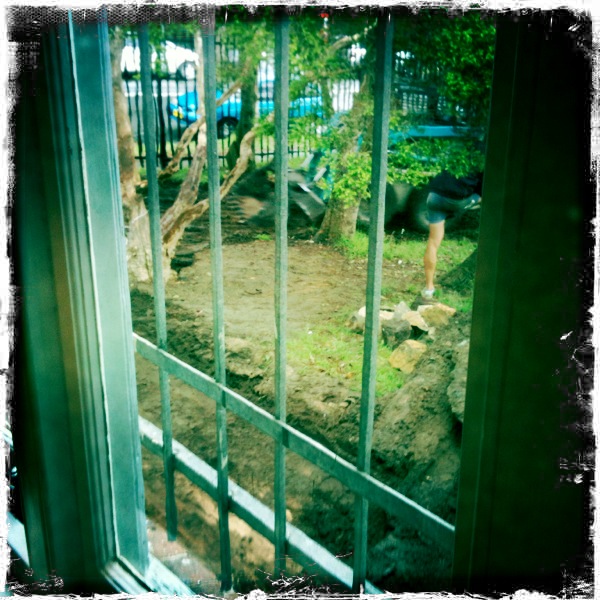
And – hooray! Work has well and truly started on the lower playground: the diggers are in full swing with bashes and crashes from all angles and are tearing up the concrete like nobody’s business! There is no access to the cottage from that side so please come via the picturesque front gate, thanks.

My little sister Olivia came to help us out last week, all the way from Las Palmas in the Canary Islands, in her first visit to Australia. She had a fantastic time volunteering at all the kitchen classes and is filled with amazement at the wonderful school we have here at Bondi, thanks to the beautifully behaved, talented and enthusiastic students who made her feel so welcome and helped plate up some truly deeelicious meals! She will be much missed.

A note for your diary: Wednesday 14th December 3pm – our Christmas Market Table! Come along to pick up a lovely treat for your Christmas table, tree or tummy… in the usual place, so please don’t forget your coins and shopping bags!

¡Gracias y hasta luego!

Melissa

Categories: Kitchen Garden | Tags: , , , | Leave a comment

Create a free website or blog at WordPress.com.