Recipe

Fritatte of beetroot leaf, sweet potato and feta

Gordon’s original recipe calls for spinach but I think this is a great way to use up our many beetroot leaves. He also suggests cooking in one big pan over heat and then finishing under the grill, where we pour ours into muffin pans to oven-bake… We also add some of our lovely herbs for an aromatic twist.

ourklitchengarden.net

From the garden: sweet potato, beetroot leaves, eggs, marjoram, parsley
Recipe source: adapted from a recipe by Gordon Ramsay

Equipment:

  • Pastry brush, potato peelers
  • Scales
  • Chopping board & knives
  • Paper towel
  • Measuring tablespoon
  • Large frying pan
  • Wooden spoon
  • Large bowl
  • Tongs, whisk
  • Cupcake tins: 2×12-hole large or 2×24-hole mini
  • Serving plates
Ingredients:

  • 1 large sweet potato (about 500g)
  • Large handful of beetroot leaves
  • Small handful marjoram and parsley
  • 4 tablespoons olive oil plus extra
  • Flaked salt and freshly ground black pepper
  • 200g feta cheese
  • 20g parmesan
  • 12 large eggs

What to do:

  • Preheat the oven to 180C. Brush a little olive oil into each cupcake hole.
  • Peel the sweet potato, and then chop flesh evenly into 1cm cubes.
  • Wash the beetroot leaves in several changes of water and shake dry. Chop the stalks and leaves into 1cm strips, to yield about 150g cut strips.
  • Wash the herbs and pat dry with paper towel. Strip the leaves from the stalks & chop finely.
  • Heat the frying pan with the oil and toss in the sweet potato. Season well with salt and pepper. Cook, turning occasionally, for about 4 minutes over medium heat until the cubes are just tender and lightly golden at the sides.
  • Meanwhile, cut the feta into small cubes and grate the parmesan.
  • Stir the beetroot leaves into the sweet potato and cook for about 3 minutes until wilted.
  • Then add the cubed feta and gently stir to mix in.
  • In the large bowl, lightly beat the eggs with the herbs, parmesan, a pinch of salt and a grind of pepper.
  • Divide the sweet potato mixture evenly into the cupcake holes, spoon the egg mixture over and bake in 180C oven: about 15 minutes for the mini frittate and 20 minutes for the large.

Notes: Why is the name of this recipe frittate, ending in e? What other vegetables could you use in the recipe? Which animals’ milk can make feta?

ourkitchengarden.net

Categories: Kitchen Garden, Recipe | Tags: , , , , , , , , , , , | Leave a comment

Blood orange honey cake with vanilla yoghurt

At this time of year we try and incorporate as many blood oranges into recipes as possible! Cakes always go down well as a treat, and this one is dairy-free too if you don’t serve the yoghurt.

ourkitchengarden.net

From the garden: eggs, blood oranges
Recipe source: adapted from a recipe by Melissa Klemke for Kidspot

Equipment:

  • A large cake tin
  • Pastry brush
  • Baking paper
  • Measuring: cup, ½ cup, teaspoon, ½ teaspoon
  • Microplane zester
  • Bowls – 2 big
  • Electric mixer
  • Citrus juicer
  • Skewer
  • Wire rack
  • Serving plates
Ingredients:

  • 2½ cups self raising flour
  • 1 teaspoon baking powder
  • ½ teaspoon bicarbonate of soda
  • 1 teaspoon ground cinnamon
  • 1 cup raw caster sugar
  • ½ cup honey
  • ½ cup vegetable oil
  • 4 eggs
  • 3 blood oranges
  • 1 vanilla bean
  • 200ml natural Greek yoghurt
  • 1 tablespoon white caster sugar


What to do:

  • Preheat oven to 170°C.
  • Brush the cake tin with a little vegetable oil and then line with baking paper.
  • Using the microplane, carefully zest the blood oranges.
  • Juice the oranges and mix the zest with the juice.
  • Mix the eggs, honey, raw caster sugar and vegetable oil in a large bowl.
  • Sift flour, baking powder, bicarb soda and cinnamon into another bowl.
  • Using the electric mixer, mix in the flour and orange juice/zest alternately until all combined.
  • Pour into the greased & lined tin.
  • Bake in oven for 40 minutes, checking after the 30 minute mark – use the skewer test to check that it is cooked.
  • Meanwhile, if making the vanilla yoghurt: halve the vanilla pod and scrape the seeds from inside each half. Mix these into the yoghurt with the tablespoon of white caster sugar. Chill until ready to serve.
  • When the cake is cooked, turn out on wire rack and cool before cutting.
  • Divide among serving plates and serve with the vanilla yoghurt if needed.

Notes: Why do we grease and line the tin? What do baking powder and bicarb soda do?


Categories: Kitchen Garden, Recipe | Tags: , , , , , , , , | Leave a comment

Salad of blood orange, beetroot, radish and goats’ cheese

We love the arrival of blood oranges to signify the end of winter & beginning of spring! This salad is a firm favourite of ours, with its contrasting flavours and textures, and beautiful deep colours.

Our Kitchen Garden

Serves: 6 or 24 tastes
Fresh from the garden: blood oranges, radishes, beetroot, beetroot leaves, lettuce leaves, marjoram

Equipment:

  • Chopping board & knife
  • Small saucepan & lid
  • Colander
  • Paper towel
  • Measuring: tablespoon, teaspoon
  • Bowls – large, small
  • Garlic press
  • Salad spinner
  • Fork
  • Plates to serve
Ingredients:

  • 3 or 4 baby beetroot
  • A small bunch of radishes
  • Small sprig of marjoram
  • A handful of lettuce leaves
  • 3 blood oranges
  • 1 garlic clove
  • 2 teaspoons aged balsamic vinegar
  • 2 tablespoons extra-virgin olive oil
  • A small roll of goats’ cheese
  • Flaked salt and black pepper

What to do:

  • Cut the leaves from the beetroot, leaving about 2cms of stalk and reserving any small leaves. Gently scrub the beets to remove any dirt and place them in the saucepan with cold water to cover by about 5cm. Heat on high with lid on and boil for 20 minutes until soft when pierced.
  • Remove the stalks from the radishes & discard. Wash them well and then wipe dry with paper towel. Finely slice the radishes into thin discs and slide them into the big bowl.
  • Wash, dry and pick the marjoram leaves and reserve for the garnish.
  • Carefully wash and spin the lettuce and beetroot leaves dry. Break up into smaller pieces with your hands if needed, then roll up into a kitchen paper-lined tea towel & place in the fridge until needed.
  • Peel the oranges, removing any white pith and discarding it. Carefully cut the oranges into thin slices crossways and then place them into the big bowl. Scrape any juice into the bowl.
  • Squeeze the garlic through the garlic press into the small bowl.
  • Mix into the garlic the balsamic vinegar and olive oil, whisk with the fork and pour over the orange and radishes.
  • Season with salt and pepper and stir together gently. Leave to marinate for 10 minutes.
  • Meanwhile when the beetroot are soft, drain the saucepan and fill with cold water to cool the beets. When cool to handle, slide off the skins and root and thinly slice the beetroot. Add the slices to the radish and orange and combine in the dressing.
  • To finish, divide the salad leaves among your serving plates and scatter the beetroot mixture on top. Remove the wrapping from the goats’ cheese and dab chunks of cheese over each salad. Sprinkle with the marjoram and serve.

Notes: What other fruit and vegetable combinations can you think of for a salad? What other fruits can be dressed with balsamic vinegar? Why do we let the salad ‘rest’ for 10 minutes?

Categories: Kitchen Garden, Recipe | Tags: , , , , , , , , , , , | Leave a comment

Hail mighty Caesar!

There are many variations on this classic salad, at home you can add some grilled chicken or crispy bacon – but this is the original, and a mighty fine one at that…!

Our Kitchen Garden

Fresh from the garden: cos (romaine) lettuce, eggs, lemon

Recipe source: adapted from a recipe by Martha Stewart

Equipment:

  • Measuring – ½ cup, tablespoon, teaspoon, ½ teaspoon, 1/4 teaspoon
  • Small saucepan
  • Salad spinner
  • Chopping board & knife
  • Scales
  • Citrus juicer
  • Bowls – large, small
  • Mortar & pestle
  • Fork
  • Medium frying pan
  • Slotted spoon
  • Serving bowls


Ingredients:

For the croutons

  • 2 tablespoons unsalted butter
  • 1 tablespoon extra-virgin olive oil
  • Half a loaf of sourdough bread
  • 2 teaspoons salt
  • 1/4 teaspoon ground cayenne
  • 1/2 teaspoon ground black pepper

For the salad

  • 2 garlic cloves
  • 4 anchovy fillets
  • Flaked salt & black pepper
  • 1 lemon
  • 1 teaspoon Worcestershire sauce
  • 1/2 teaspoon Dijon mustard
  • 4 large eggs to poach plus 1 extra
  • 1/2 cup extra-virgin olive oil
  • 1 large cos (romaine) lettuce
  • 80g Parmesan


What to do:

  • Preheat the oven to 200C.
  • Carefully melt the butter in the small saucepan.
  • Remove the crust from the half-loaf of bread and then slice the bread into cubes.
  • Combine the melted butter and tablespoon of olive oil in a large bowl. Add the cubes of bread and then sprinkle with salt, cayenne pepper, and black pepper; toss until evenly coated. Spread the bread in a single layer on a baking sheet. Bake until croutons are golden for about 10 minutes.
  • Meanwhile, discard the outer leaves of the lettuce, wash the inner leaves and spin them dry. Chop the leaves into 3cm ribbons.
  • Slice the crusts from the bread, discarding them, and cut the bread into 1cm cubes.
  • To poach 4 eggs, fill the medium sized frying pan 5cm deep with water and bring to a simmer. Fill the large bowl with cold water. Carefully crack each egg into a small bowl without breaking it and then carefully slide into the water. Let the pan sit for 4 minutes before removing each egg into the bowl of cold water with a slotted spoon.
  • Meanwhile, weigh the parmesan and grate it. Juice the lemon to yield 1 tablespoon juice. Separate the remaining egg and reserve the yolk.
  • Place the garlic, anchovy fillets, and a teaspoon of salt into the mortar. Using the pestle, mash the garlic and anchovies into a paste. Using the fork, whisk in a grind of pepper, lemon juice, Worcestershire sauce, mustard, and egg yolk. Transfer to the large bowl and whisk in the olive oil.
  • Add the croutons, the lettuce and most of the cheese to the bowl, and toss well. Divide into your serving bowls.
  • Carefully drain the eggs one by one and place on top of each salad. Sprinkle the remaining parmesan on and serve immediately!
Categories: Kitchen Garden, Recipe | Tags: , , , , , , , , , | Leave a comment

Handcut rocket pappardelle with lemon and olive oil

Fresh from the garden: eggs, rocket, lemon

Recipe source: Pasta: Stephanie Alexander, Kitchen Garden Cooking with Kids. Dressing: Melissa

Our Kitchen Garden students love making pasta! This recipe includes the dough mixture as well as instructions on how to use a pasta machine. In the summer you could add chopped cherry tomatoes too, for their explosive bite…

Our Kitchen Garden


Equipment:

  • Salad spinner
  • Pasta machine
  • Scales, garlic press
  • Measures – teaspoon
  • Food processor
  • Plastic wrap
  • Chopping board & knife
  • Pastry brush, grater
  • Large stock pot
  • Tongs, large bowl
  • Serving bowls
Ingredients:

  • 500g plain ‘00’ flour
  • 5 free-range eggs
  • Salt
  • 2 handfuls of rocket
  • 1/3 cup extra-virgin olive oil
  • A lemon
  • 3 garlic cloves
  • Flaked salt & black pepper
  • 50g parmesan

What to do:

To make the pasta:

  • Wash a handful of rocket thoroughly and spin dry. Discard any tough stalks and chop roughly.
  • Weigh the flour, then combine it with 1½ teaspoons of salt in the bowl of the food processor. With the motor running, add the eggs and the chopped rocket. Process for a few minutes until the dough clings together and feels quite springy.
  • Tip the dough onto a clean, dry workbench. Knead the dough for a few minutes, then wrap it in plastic film and let it rest for 1 hour at room temperature.

_____________________________________________________________________________________________

  • Fill the large stockpot with water and set to boil on high with the lid on.
  • Fix the pasta machine to a suitable bench or table – if the surface is not thick enough you may need to place a thick book under the machine. Screw the clamp very tightly.
  • Clear a large space on the workbench alongside the pasta machine. All surfaces must be clean and dry. Press or roll the dough into a rectangle about 8 cm wide.
  • Set the rollers on the pasta machine to the widest setting and pass the dough through. The dough will probably look quite ragged at this stage. Fold it in 3, turn it 90 degrees and roll it through again. Go to the next-thickest setting and pass the dough through 3-4 times.
  • Continue in this manner (changing the settings and passing the dough through) until the dough has passed through the second thinnest setting. Don’t use the very thinnest setting, as the dough gets too fine and is hard to manage. If the dough gets too long to handle comfortably, cut it into 2-3 pieces using the large knife, and roll each piece separately.
  • Lay the pasta strips on a lightly floured surface & dust with a little more flour. Fold up carefully 2 or 3 times and then using a knife or cutter, slice pasta into strips about 2cm wide.
  • Carefully unravel each strip as you go and hang to dry.
  • Clean the pasta machine by brushing it with a dry, wide pastry brush & putting back in its box. At this stage you can make the dough for the next lesson!

To finish the dish:

  • Check that the stockpot has been filled with water and is set on high to boil.
  • Wash the remaining handful of rocket and spin it dry. Discard any tough stalks and chop roughly and put into the large bowl.
  • Wash and dry the lemon and zest it into the rocket. Cut the lemon in half and squeeze the juice of one half into the bowl.
  • Peel the garlic cloves and squeeze them into the bowl.
  • Measure the parmesan and grate what you need.
  • Measure 1/3 cup of olive oil into the bowl and sprinkle on a few pinches of flaked salt and a good grind of pepper and toss to incorporate.
  • When the stockpot has started a fast boil, gather your drying pasta on a large baking tray. Add  the pasta to the pot with a tablespoon of cooking salt, stir once and quickly put the lid back on.
  • As soon as the pot begins to boil again, take the lid off. The pasta should only take 2 minutes or so to cook from boiling. Taste to check – it’s important that the pasta remains al dente and is not overcooked!
  • Using tongs, carefully pull the pasta (and some of its cooking liquid) out and into the big lemony, rocket bowl and toss to thoroughly incorporate. The rocket should start to wilt.
  • Divide into serving bowls, sprinkle a little parmesan on and eat immediately!

Notes: Never wash the pasta machine – it will rust! Just brush down with a strong brush to remove the leftover dough.

Categories: Kitchen Garden, Recipe | Tags: , , , , , , , , , , | Leave a comment

Borscht – of one kind or another

This recipe is an easy variation of the Eastern European variation. It is usually made with beef broth or stock but with a garden full of veggies we can’t go past using our rich vegetable stock!

Our Kitchen Garden

Fresh from the garden: onion, thyme, chives, beetroot

Recipe source: Melissa, kitchen specialist at Bondi PS

Equipment:

  • Chopping board and knife
  • Garlic press
  • Kitchen paper
  • Grater
  • Tablespoon measure
  • Measuring jug
  • Stockpot
  • Wooden spoon
  • Stick blender
  • Teaspoons
  • Serving bowls
Ingredients:

  • 1 medium onion
  • 3 cloves garlic
  • 4 sprigs thyme
  • Small bunch chives
  • 3 large or 6 medium beetroot
  • 3 tablespoons olive oil
  • 1lt beef or rich vegetable stock
  • 1 tin chopped tomatoes
  • salt and freshly ground black pepper
  • 1 small tub crème fraiche or sour cream

What to do:

  • Peel and chop the onion. Peel and squeeze the garlic through the press.
  • Wash the chives and lay out on a piece of kitchen paper to dry, then snip or chop finely. Wash and dry the thyme and pick the leaves, then chop finely.
  • Wash and peel the beetroot. Chop into 1cm cubes or grate.
  • Warm olive oil in the stockpot over medium heat. Stir in the onions and garlic and cook until soft but not browned, about 5 minutes. Stir in chopped & grated beetroot and the chopped thyme and cook for 1 minute.
  • Stir in tomatoes and stock and season with salt and pepper. Bring to the boil and then cover and simmer until the beetroot is tender, about 20 minutes. Remove from heat and allow to cool slightly.
  • Whizz the soup with the stick blender, stirring to get all the solids mixed in. Check the seasoning, then ladle into bowls and garnish with a swirl of the crème fraiche or sour cream and sprinkle of chives.

Notes: What other dishes have their original names in a different language?


Categories: Kitchen Garden, Recipe | Tags: , , , , , | Leave a comment

Beans and greens

Soaking dried beans and then cooking them the next day is such a rewarding experience – and these simple accompaniments make the beans a lovely cool-night dish. Serve with crusty sourdough or even a little steamed rice for a lovely midweek meal…

Our Kitchen Garden

From the garden: sage, spinach, silverbeet, chard, beetroot leaves, mustard greens, kale

Recipe source: Melissa, kitchen specialist Bondi PS

Equipment:
  • Bowls – large, heatproof
  • Colander
  • Medium saucepan
  • Large frying pan & lid
  • Kitchen towel
  • Measures: cup, tablespoon
  • Chopping board & knife
  • Serving bowls

Ingredients:

  • 250g dried cannellini beans
  • 1 tablespoon bicarbonate of soda
  • A small branch of sage
  • Cooking salt, flaked salt & pepper
  • 6 garlic cloves
  • 5 tablespoons extra-virgin olive oil
  • 1/4 teaspoon dried chilli flakes
  • 1 large bunch of greens (such as spinach, silverbeet, mustard greens or kale)
  • 1 cup vegetable stock
  • 1 teaspoon red wine vinegar

What to do:

  • The night before, place your dried beans in the large bowl and fill the bowl with cold water well over the beans, add the bicarb and stir. They will need to soak for at least 12 hours.
  • At the start of your lesson, drain the beans into the colander and rinse them well, then put them into the medium saucepan with about 3cm cold water to cover.
  • Rinse the sage, keeping the branch whole, and shake dry. Peel the garlic cloves and add 3 of them, whole, to the saucepan. Also add the branch of sage, a teaspoon of cooking salt & grind of pepper. Set on a low heat with the lid on and simmer until beans are soft, probably about 2o minutes.
  • Thinly slice the remaining 3 cloves of garlic.
  • Wash the green leaves and shake dry. Remove any thick stems, and cut the leaves into 3cm ribbons. You can leave any baby spinach leaves whole.
  • Heat 4 tablespoons of the olive oil in the large frying pan over medium heat.
  • Add the garlic and chilli flakes and stir until the garlic is pale gold, about 1 minute. Add the greens by large handfuls and stir just until beginning to wilt before adding more, tossing with the tongs to coat with oil.
  • Add the stock, cover with the lid, and simmer until the greens are just tender, adding a little cannellini bean cooking liquid in spoonfuls if dry.
  • When the beans are soft, turn off the heat and let them cool slightly in the water.
  • Set the colander over the clean heatproof bowl and carefully pour the beans and their liquid in to drain. Add the beans to the greens and then simmer uncovered until the liquid is almost absorbed for about 2 minutes.
  • Stir in 1 teaspoon vinegar. Season with salt and pepper, taste and add more vinegar if desired; drizzle with remaining tablespoon of oil and divide into serving bowls.
Categories: Kitchen Garden, Recipe | Tags: , , , , , , , , | Leave a comment

Blood orange cordial

Blood oranges arrive at the end of winter and herald the start of longer days and slightly warmer weather. They’re the quintessential seasonal fruit and are only around for a short time so get out there & grab some while you can! And look: too much sugar is a bad thing but at least with this treat you’re avoiding all the hideous all-pervading artificial colours & flavours seen in supermarket brands…

Our Kitchen Garden

Fresh from the garden: blood oranges

Recipe source: Melissa, kitchen specialist at Bondi PS

Equipment:

  • Chopping board and knife
  • Citrus juicers
  • Electric juice fountain & parts
  • Medium saucepan
  • Wooden spoon
  • Glass bottles & lids
  • Baking tray
  • Measuring jug
  • Large jug
  • Strainer & funnel
  • Glasses to serve
Ingredients:

  • 6 blood oranges
  • 1½ cups water
  • 1½ cups caster sugar
  • 1½ litres mineral or soda water
  • ice


What to do:

  • Roll each blood orange a few times between the heel of your palm and the tabletop to release the juice, and then cut each in half. Hand juice the oranges with the citrus juicer and measure the liquid to yield about 375ml.
  • Or, if using an electric juice fountain, peel the skin from all the oranges, turn the motor on with dry hands, fix the jug underneath the chute & juice away! You will need to clean the machine straight away after juicing otherwise the pulp will stick – do this by dismantling the machine parts and carefully scrubbing away at them under running water. The leftover pulp can go to the compost.
  • Place the water, blood orange juice and sugar into the saucepan over medium heat and stir until the sugar dissolves. Simmer for 10 minutes with the lid off until the liquid is reduced by about a third.
  • Meanwhile preheat the oven to 180C. Wash the bottles in hot, soapy water & rinse. Drain them and then place on a baking tray and carefully slide into the hot oven for 5 minutes. Remove when the bottles are dry and leave them to cool somewhere safe. This process is to sterilise the bottles before filling.
  • Cool the liquid in the saucepan for a few minutes before measuring out & then pouring into a large jug filled with ice. Add twice the amount of fizzy water to the cordial and serve immediately!
  • If you’re bottling the cordial, strain it into a large jug and then funnel it into the bottles. Close tightly and store in the fridge for up to a month.

Notes: What does seasonal mean? Why are they called blood oranges? Why do we sterilise the bottles?

Categories: Kitchen Garden, Recipe | Tags: , , , , , , | Leave a comment

Pita bread

If you’ve never made bread from scratch, pita is the perfect place to start. If you have made bread before, you’ll know how delicious these can be! They are great served with hummus for dipping, or our falafel with herby yoghurt… this recipe makes about 20 small pita breads.

Equipment:

  • Measuring jug
  • Bowl – 2 small
  • Bowl – large mixing
  • Teaspoon
  • Tablespoon
  • Glad wrap
  • Rolling pin
  • Fork
  • 6  tea towels
  • Medium frying pan
  • Large knife
  • 4 serving plates
Ingredients:

  • 7g dried yeast
  • 20g sugar
  • 375ml warm water
  • 2 teaspoon salt
  • 500g plain unbleached flour, plus extra
  • 100g fine semolina
  • 1 tablespoon olive oil, plus extra

What to do:

  • Dissolve the yeast and sugar in 125ml warm water, cover and set aside for 15 minutes until frothy. Dissolve salt in remaining 250ml warm water.
  • Place flour and semolina in a large mixing bowl and make a well in the centre. Add yeast mixture, 1 tablespoon olive oil and salt water. Knead with hands for 10 minutes in the bowl. Shape into a ball in the bowl, cover with glad wrap and place in a warm area to rise. Wait about one hour until dough has doubled in volume.
  • Punch down dough and knead on a floured surface for one minute. Divide dough into pieces slightly larger than an egg and roll quickly into little balls. Leave to rest under a damp tea towel for 5 minutes, then roll out on a floured surface to a thickness of about 6mm. Prick bread with a fork in several places.
  • Preheat a frying pan, add a dash of olive oil and cook bread over high heat for a couple of minutes each side until lightly browned. Repeat with remaining breads, carefully wiping out the frying pan if smoking and adding oil for every second one if necessary.
  • Stack breads on a clean tea towel, placing clean tea towels between each second one to absorb the moisture, and allow to cool.
  • Slice into quarters or strips and divide onto the plates.

Notes: Where does pita bread originate? Where are other flat breads used? What other sort of dishes do they go with? What does dissolve mean? What does absorb mean?

Categories: Kitchen Garden, Recipe | Tags: , , , , , , , , | Leave a comment

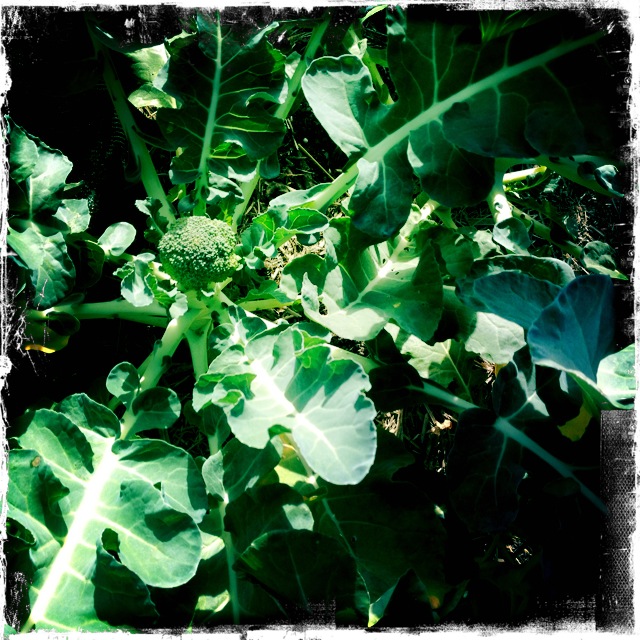
Gordon Ramsay’s broccoli soup

Quite often here in the cottage we prepare dishes with loads of ingredients… here is a recipe with very few! Simple and delicious… at home you can also add some walnuts to the finished soup if you like.

Fresh from the garden: broccoli

Equipment:

  • 2 large stockpots, 1 lid
  • Chopping board & knife
  • Bowls – large
  • Colander
  • Slotted spoon
  • Blender
  • Measuring – tablespoon
  • Ladle
  • Bowls to serve
Ingredients:

  • 2 large broccoli heads
  • Cooking & flaked salt
  • Ground black pepper
  • Water
  • Extra-virgin olive oil
  • 1 small log of goats’ cheese, preferably ashed

What to do:

  • Fill one of the stockpots with water and set to boil.
  • Cut the broccoli into florets the size of a golf ball and wash, shake dry.
  • When the water is at a rapid boil, add a tablespoon of cooking salt and then carefully drop in the broccoli and replace the lid to return to the boil.
  • You will want to slice your goats’ cheese at this point. Dip the knife into the boiling hot water before each slice for even, smooth slices.
  • Your broccoli is finished cooking when you can pierce it with little or no effort – should be about 4 minutes but check first.
  • Place the colander over the 2nd stockpot, and then drain the broccoli into it, reserving the hot broccoli water.
  • Using the slotted spoon, add the broccoli to the blender to fill about ¾ of the way and then pour enough of the broccoli water in to fill the blender half way. Add a pinch of flaked salt. Use several pulses on your blender to break the broccoli up and then puree for several seconds. Check the seasoning.
  • Place the slices of goats’ cheese into the centre of your serving bowls and then carefully pour the soup around.
  • Drizzle lightly with a trickle of olive oil and serve at once.

Notes: Why do we put the lid on the stockpot when boiling water? What does ashed goats’ cheese taste like?

Categories: Kitchen Garden, Recipe | Tags: , , , , , | Leave a comment

Create a free website or blog at WordPress.com.