Recipe

Spinach and ricotta cannelloni

FullSizeRender

We often make our own pasta here at school, but sometimes it’s easier to buy ready-made dried pasta – especially when you can stuff the round tubes  with yummy fillings!

Fresh from the garden: spinach, basil, garlic
Recipe source: Melissa
Serves: 4 or 24 tastes

Equipment:

·       Large mixing bowl

·       Chopping boards & knives

·       Grater & microplane grater

·       Large frying pan

·       Slotted spoon

·       Scales

·       Measures: tablespoon

·       Teaspoons

·       4 small baking dishes

·       2 baking trays

·       Serving plates

·       Paper towel

Ingredients:

·       1 bunch spinach

·       3 cloves garlic

·       1 nutmeg

·       1 tablespoon olive oil plus extra

·       20g butter

·       400g ricotta – homemade if possible!

·       25g parmesan or grana padano

·       200g mozzarella

·       700ml tomato sauce or passata

·       Flaked salt and pepper

·       16 cannelloni tubes

What to do:

  1. Please start all the initial elements ASAP as the dish will need to bake for 35 minutes!
  2. Preheat oven to 200C.
  3. Wash the spinach in a large bowl of water, changing several times and checking to make sure all leaves and stems are clean. Shake dry over the sink and then finely chop.
  4. Peel the garlic and finely chop. Using the microplane, grate about half the nutmeg.
  5. In a large frying pan heat oil and butter, add garlic and fry gently for one minute then add grated nutmeg, spinach and a pinch or two of salt and cook for a few minutes. Use the slotted spoon to scoop into a clean bowl and leave to cool.
  6. Using the scales, weigh the parmesan and then grate it. Then weigh the ricotta.
  7. Once spinach is cool add ricotta, parmesan and season with salt and pepper. Mix well.
  8. Using teaspoons or the end of a table knife, fill the cannelloni tubes with the spinach and ricotta mixture.
  9. Weigh the mozzarella and grate it on the widest setting.
  10. Spoon half of the tomato sauce into the baking dishes, then lay four filled cannelloni in each, then spoon over the rest of the tomato sauce.
  11. Season with salt and pepper and drizzle with olive oil, then sprinkle over the parmesan and mozzarella.
  12. Lay the dishes on to baking trays, then bake for about 35 minutes or until bubbling.
  13. Line your serving plates with a piece of folded paper towel.
  14. Carefully remove from the oven with oven gloves, place each on its own lined plate. You may want to slice each cannelloni tube in two to serve.

 Notes: What other baked pasta dishes do you know?

IMG_0584

Categories: Kitchen Garden, Recipe | Tags: , , , , , | Leave a comment

Homemade ricotta

IMG_0332

Ricotta from the shops can often be bland or rubbery – but this one made fresh is amazingly light and soft and totally delicious. And take the time to find really great quality milk – as you really do reap what you sow in this recipe. And if you leave it to dry in the colander, in the fridge, for 4 days you can bake it with lovely hardy herbs and olive oil.

Fresh from the garden: lemons
Recipe source: Kristen Allan, mighty cheesemaker
Makes: about 600 – 700g depending on quality of milk

Equipment:

·       Citrus juicer

·       Small stockpot

·       Thermometer

·       A slotted spoon

·       A ricotta colander

·       Large mixing bowl

·      Storage container

Ingredients:

·       3 litres of good quality organic milk

·       150ml pouring cream

·       100ml lemon juice – 1.5 lemons?

·       A pinch of good salt

What to do:

  1. Cut the lemons in half and juice the halves to yield 100ml. Spoon out the pips and discard.
  2. Measure out about 1cm of cold water into the bottom of the pot.
  3. Gently pour all the ingredients into the stockpot and stir.
  4. On the lowest possible heat, gradually bring the milk up to about 95C. This should take about one hour. Try not to stir the mixture too much, but make sure it is not sticking to the bottom of the pot.
  5. At about 80C you should see curds starting to form and if you pull the curds away from the side of the pot, you will notice the milk starting to separate.
  6. Turn off the heat and leave for 10 minutes.
  7. Place the ricotta colander into the large mixing bowl to catch the whey. With the slotted spoon, gently scoop the curds into the colander.
  8. Drain for approximately 10 minutes or longer (2 to 4 days) if you want a firmer ricotta for baking or drying.
  9. Transfer to a storage container or eat while still warm.
  10. Refrigerate and use within 10 days.

Notes: What does ricotta taste like? Why make your own? What else do you make from scratch?

IMG_0585

Categories: Kitchen Garden, Recipe | Tags: , , , , , , , | Leave a comment

Tom Yum soup

IMG_0448

This soup from Thailand is great if you have a cold, as it has a warm spicy heat, and if you leave the fish sauce out is ideal for vegans and vegetarians. If you do eat meat though, you can add sliced raw chicken here to poach for 5 minutes at the end.

Fresh from the garden: lemongrass, garlic, ginger, chillies, coriander, spring onions, limes
Recipe source: adapted from a recipe by David Thompson

Equipment:

·       Kettle

·       Chopping boards and knives

·       Paper towel

·       Salad spinner

·       Measures – tablespoon, teaspoon

·       Mixing bowls – selection

·       Serving bowls

Ingredients:

·       1.5 litres water

·       A clove of garlic

·       3 stalks lemongrass

·       150g assorted mushrooms

·       1 bunch fresh coriander leaves

·       1 sprig fresh basil leaves

·       1 lime

·       1 tablespoon bouillon

·       1 quantity tom yum paste (see recipe)

·       2 kaffir lime leaves

·       1 tablespoon fish sauce (optional)

·       1 teaspoon chopped fresh green chilli (optional)

 What to do:

  1. Fill the kettle to the 1.5 litre mark and set it to boil.
  2. Peel and finely chop the clove of garlic.
  3. Cut or strip the leaves from the lemongrass (reserving the leaves for another time) and wash the stalks. Chop them into 10cm lengths and bash lightly.
  4. Wipe the mushrooms clean with a piece of paper towel, then slice them into very thin slices.
  5. Wash and spin the coriander and basil leaves dry, then finely chop. Cut the lime into quarters.
  6. Pour the hot water into the large saucepan and add the bouillon. Bring back to the boil and stir in all the tom yum paste and garlic and cook for about 2 minutes.
  7. Stir in the lemongrass batons and whole kaffir lime leaves.
  8. Mix in the mushrooms. Add the fish sauce if using and a squeeze of the lime quarters and simmer for another 5 minutes.
  9. Remove from heat, sprinkle in the chopped coriander and basil, and ladle into bowls.

Notes: What does ginger smell like? What will you use the paste for?

Categories: Kitchen Garden, Recipe | Tags: , , , , , , | Leave a comment

Tom Yum paste

IMG_0603

This paste is commonly used for our Hot and Sour soup but you can also use it as a marinade for fish or chicken.

Fresh from the garden: lemongrass, garlic, ginger, chillies, coriander, spring onions, lime
Recipe source: adapted from a recipe by David Thompson
Makes: approx 100ml

Equipment:

·       Chopping boards and knives

·       Measures – tablespoon, teaspoon

·       Peeler

·       Salad spinner

·       Mixing bowls – 5 med & small

·       Citrus juicer

·       Stick blender and mini chopper with lid attachment

·       Mortar and pestle

·       Spatula


Ingredients:

·       1 lemongrass stalk

·       3 cloves garlic

·       1 small sized piece ginger or galangal

·       1 fresh red chilli, sliced or 1/2 teaspoon dried chilli

·       A small handful of coriander

·       2 spring onions

·       1 lime

·       1 tablespoon soy sauce or gluten free tamari

·       1 teaspoon palm sugar or brown sugar 

What to do:

  1. Cut or strip the leaves from the lemongrass stalk, taking care not to cut yourself on the leaves. Finely mince the lemongrass stalk (reserving the leaves to make tea) to yield 2 tablespoons.
  2. Peel and finely chop the 3 garlic cloves. Peel and finely chop the ginger.
  3. Slice the fresh chilli if using, discarding the stalk and seeds (unless you want it really hot!).
  4. Wash and spin the coriander dry and finely chop all the leaves and stems.
  5. Wash the spring onion, strip off the outer layer and trim off the roots. Finely slice.
  6. Cut the lime in half and squeeze out the juice.
  7. Place all ingredients in the mini food chopper and blitz to create the fragrant paste.
  8. You may need to grind the paste with the mortar and pestle and a sprinkle of flaked salt to make it really smooth.
  9. Scrape out the paste with the spatula & use!
  10. To store for later, spoon into a clean and dry jar, smooth down and add a thin layer of oil to cover, pop lid on and refrigerate.

Notes: What does fresh ginger smell like? What will you use the paste for?


Categories: Kitchen Garden, Recipe | Tags: , , , , , , , | Leave a comment

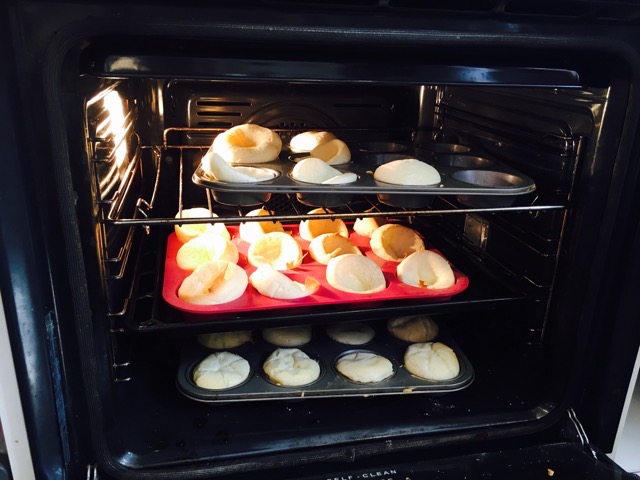
Pao de queijo

IMG_0453

These Brazilian cheeseballs are fun, and although messy, are super-easy to make and are traditionally served with soup or at brekky. Best of all, they are gluten-free so are great for those with Coeliac disease or gluten intolerance.

Recipe source: inspired by Ligia, our Garden Specialist from 2011 to 2013
Makes: 30 cheese balls, give or take

Equipment:

  • 2 large bowls
  • Sieve
  • Blender
  • Measuring jug
  • Scales
  • Metric teaspoon
  • Grater, fork
  • 2 x 12 hole muffin tins
  • Pastry brush
  • Ladle
  • Serving plates


Ingredients:

  • 450g manioc starch*
  • 250ml milk
  • 250ml vegetable oil
  • 3 eggs
  • 1 teaspoon salt
  • 100g grana padano


What to do:

  • Preheat the oven to 180C.
  • Measure out the manioc starch and then sieve into a bowl with the salt.
  • Grate the cheese and add to the bowl.
  • Crack the eggs into the other bowl and lightly whisk with the fork.
  • Measure out the milk and vegetable oil and add to the eggs. Stir to incorporate, then pour into the flour and stir thoroughly.
  • Ladle all the ingredients into the blender and blend until smooth.
  • Grease the muffin tins with a little oil.
  • Ladle out the mixture into the holes of the muffin tins until each hole is just over ½ full.
  • Bake for 20 minutes, swapping trays halfway, until golden and cooked through.
  • Carefully tip out onto serving plates.

*this can be found in the Brazilian section of your local exotic grocer! Tapioca flour or arrowroot flour can also be substituted successfully.

Notes: What are arrowroot, tapioca and manioc? What else do we use the blender for? What happens to the balls as they cook? What language do they speak in Brazil?

Image 2

Categories: Kitchen Garden, Recipe | Tags: , , , , , , , | 3 Comments

Garlicky rosemary flatbreads

IMG_0216

The dough needs to prove for at least an hour, so at Bondi, the previous class makes the dough for the current class, and the current class makes the dough for the next class. Simple!

Fresh from the garden: garlic, rosemary
Recipe source: adapted from a recipe by Hugh Fearnley-Whittingstall in Veg Every Day
Serves: 8 or 28 tastes

Equipment:

  • Measures – jug,tablespoon, teaspoon, ½ teaspoon
  • Stand mixer
  • Scales
  • Bowls – large, medium
  • 2 non-stick frying pans
  • Rolling pins
  • Tongs & pastry brush
  • Plate & paper towel
  • Serving plates
Ingredients:

For the magic dough:

·       250g plain white flour
·       250g strong white flour
·       1½ level teaspoons fine sea salt
·       1 teaspoon instant dried yeast
·       1 tablespoon olive oil, plus a little extra for oiling

For the garlic oil:

  • About 120ml olive oil
  • 1 fat garlic clove
  • 1 long branch of rosemary 

What to do:

For the garlic oil:

  1. Wash the rosemary stalk, wipe dry with paper towel and strip the leaves from the stalk. Peel the garlic clove and very finely chop it. Combine the olive oil, rosemary and garlic in a frying pan and place over a medium heat. You’re not going to fry it, just warm it through to take the edge off the garlic. So as soon as you see the first signs of a sizzle, pour the oil and garlic out of the pan into a small bowl to infuse. Wipe the frying pan clean.

For the flatbreads:

  1. Knock back the risen dough, divide it int0 golf-ball sized balls and roll them into flat circles, as thin and round as you can.
  2. Meanwhile heat your non-stick frying pans over high heat until smoking hot.
  3. Carefully lay one flatbread in the pan and cook for about 2 minutes, until bubbly on top and patched with brown spots on the base. Flip over and cook for 1-2 minutes more. Remove immediately to a plate and paint with some of the garlicky rosemary oil. Scatter with a little flaked salt too. Repeat with all the dough. Cut the oiled flatbreads into wedges to serve.

Now make the magic dough for the next class:

  1. Put the two flours into the bowl of the stand mixer with the salt and yeast. Mix well using the dough hook. Add the oil and 325ml warm water and mix to a rough dough. Knead for 5–10 minutes, until smooth. This is quite a loose and sticky dough, which is just as it should be – you get better-textured bread this way – so try not to add too much flour if you can help it, it will become less sticky as you knead.
  2. Trickle a little oil into a clean bowl, add the kneaded dough and turn it in the oil so that the bottom is covered with a light film. Cover with plastic wrap and leave in a warm place to rise until doubled in size – at least an hour, probably closer to two.

Notes: What other recipes can we use the Magic Dough in? What is strong flour?

IMG_0212


Categories: Kitchen Garden, Recipe | Tags: , , , , , | Leave a comment

Rocket soup with curry spices and coriander

IMG_0214

This soup is a great way to use up all the huge rocket leaves left over from the summer break that are too spicy to use in a salad.

Fresh from the garden: rocket, leek, potatoes, onion, garlic, coriander
Recipe source: Melissa
Serves: 6 or 24 tastes


Equipment:

  • Measures: tablespoons, teaspoons, ¼ teaspoon
  • Mortar and pestle
  • Peeler
  • Kettle
  • Mixing bowls: large, med, small
  • Chopping boards and knives
  • Large stockpot
  • Wooden spoon
  • Stick blender
  • Ladle
  • Paper towel
  • Scissors
  • Serving bowls


What to do:

Ingredients:

  • 1 onion
  • 2 tablespoons olive oil
  • 1 leek
  • 4 cloves of garlic
  • 3 potatoes
  • 1.5 litres boiling water
  • 2 tablespoons bouillon
  • A large handful rocket leaves
  • A small handful coriander

Curry paste:

  • A small knob of ginger
  • ½ teaspoon turmeric powder
  • A pinch of flaked salt
  • 2 teaspoons cumin seeds
  • 2 teaspoons coriander seeds
  • Pinch of cayenne pepper
  • 1/4 teaspoon mustard seeds
  1. To make the curry paste: Peel the ginger and finely chop. Measure the rest of the spices into the bowl of the mortar, add the ginger & gently pound to a mash with the pestle.
  2. To make the soup: Fill the kettle to the 1.5 litre mark and set it to boil.
  3. Peel and finely chop the onions. Peel and finely chop the garlic cloves. Wash the leek under running water, peeling off the ugly layers, and checking underneath and trimming roots.
  4. Wash the rocket in several large bowls of cold water and shake dry over the sink. Finely chop the stalks and the leaves and reserve in a large bowl. Wash the potatoes but do not peel them and chop into 2cm dice.
  5. Heat the oil in the large stockpot over gentle heat. Add the curry blend and a grind of pepper and cook for 3 to 4 minutes. Add the onion and leek and cook until soft for about 5 minutes. Add in the chopped rocket, potatoes and garlic, stir in and then sweat for a few minutes with the lid on and the heat low.
  6. Carefully add the boiling water and the bouillon and bring to a boil. Reduce heat, cover and simmer for 10 minutes.
  7. Meanwhile wash the coriander and pat dry, then add into the soup just before blending.
  8. Puree the soup using the stick blender until super smooth and then check if you need to add any more salt. You probably will!
  9. Ladle into soup bowls and serve.
Categories: Kitchen Garden, Recipe | Tags: , , , , , , | Leave a comment

Penne alla Norma

IMG_0236

Tradition has it that this dish was invented in Sicily and was named in honour of Bellini’s famous opera, Norma. You can use any sort of pasta but the best is a chunky, liquid-catching shape like penne to match the sauce.

Fresh from the garden: eggplant, basil, oregano, onion, garlic
Recipe source: from the classics!

Equipment:

·       Large stockpot with lid, saucepan and large frying pan

·       Measures: cup, ½ cup, tablespoon, ¼ teaspoon

·       Chopping boards and knives

·       A selection of mixing bowls

·       Salad spinner

·       Scales

·       Cheese grater

·       Spatula

·       Serving bowls

Ingredients:

·       3/4 cup olive oil & more to drizzle

·       1 onion

·       2 garlic cloves

·       Small handful oregano

·       Cooking & flaked salt & black pepper

·       2 tins of chopped tomatoes

·       ¼ teaspoon dried chilli flakes

·       500g rigatoni or penne

·       500g eggplant – 1 large or several small

·       1/2 cup basil leaves plus a few extra to garnish

·       60g ricotta salata or fresh pecorino

·       45g parmesan or grana padano

What to do:

  1. Fill the stockpot with water and set it to boil with the lid on. When boiling, add in a tablespoon of cooking salt and the pasta, and boil the pasta for 12 minutes until al dente.
  2. Peel and finely chop the onion. Crush the garlic cloves, peel them and finely chop. Wash and spin-dry the oregano, and then strip the leaves off the stalks.
  3. Heat 2 tablespoons of the oil in a saucepan and cook the onion and a few pinches of flaked salt and grind of pepper over gentle heat for 5 minutes until softened. Stir in the garlic and cook for 30 seconds. Add the tomato and chilli flakes. Reduce the heat to low and cook for about 15 minutes until the sauce has thickened and reduced.
  4. Meanwhile, wash the eggplants, wipe them dry and cut lengthways into 1cm thick slices, then 1cm strips, and then 1cm cubes.
  5. Heat the remaining olive oil in a frying pan. When the oil is hot but not smoking, add the eggplant cubes a few at a time and cook for about 3 minutes until lightly browned. Remove from the pan with the slotted spoon and add the cubes to the tomato sauce, stirring over very low heat for 5 minutes.
  6. Wash the basil, and strip off the leaves. Spin them dry, then tear them into small pieces and add to the eggplant sauce, reserving a few leaves for garnish.
  7. Measure the ricotta salata or pecorino and crumble it into a small bowl. Measure the parmesan cheese then grate it.
  8. Drain the pasta, reserving 1/3 cup of the cooking water, then add all to the sauce with half each of the ricotta and pecorino and toss together well.
  9. Serve immediately, sprinkled with the remaining cheeses and extra basil and a little drizzle of oil.
Categories: Kitchen Garden, Recipe | Tags: , , , | Leave a comment

Koosa Ma Laban

IMG_0209

Taking inspiration from the Middle East, this is a dish called Koosa ma Laban and is a delicious zucchini dip for crunchy veggies or garlicky flatbreads.

Fresh from the garden: cucumber, garlic, ginger
Recipe source: adapted from a recipe on thekitchn.com
Serves: 8 or 24 tastes

Equipment:

  • Chopping boards and knives
  • Measures: cup, tablespoon
  • Frying pan
  • Tongs
  • Salad spinner
  • Microplane zester
  • Olive pitter
  • Food processor
  • Flat bowls to serve


Ingredients:

·       2 large zucchini

·       2 cloves of garlic

·       3 tablespoons olive oil

·       1 cup Greek yogurt or labneh

·       A handful of mint

·       A lemon

·       Flaked salt and pepper

·       4 green olives

What to do:

  • Wash the zucchini, then slice lengthwise and cut into 1cm half-moons. Smash the garlic cloves, peel the skin off and finely chop.
  • Heat 2 tablespoons of the oil in a frying pan over medium-high heat. Sprinkle zucchini slices with salt and pepper and add to the pan. Cook for about 5 minutes, turning once, until both sides are nicely browned. Add the garlic in the last minute, then remove from heat and cool for a few minutes.
  • Wash the mint, spin dry, pick off the leaves and chop finely to yield about 2 tablespoons worth. Wash the lemon, dry it and zest the yellow part of the skin only. Pit the olives (use the pitter or you can squash them on a chopping board) and cut in half.
  • Once zucchini have cooled, place in a food processor. Add the mint and lemon zest (reserving a bit of both for garnish), a pinch of salt, pepper and yogurt. Pulse until pureed.
  • Spread dip onto a serving plate, dot on the olive halves, drizzle with remaining olive oil and sprinkle with reserved mint and lemon zest.
  • Serve with flat breads or sliced carrot, cucumber or radish.

 Notes: What is labneh? How does an olive pitter work? What other Middle Eastern dishes do you know?

Categories: Kitchen Garden, Recipe, Uncategorized | Tags: , , , , , , | Leave a comment

Insalata Caprese

IMG_0217

This famous salad from Italy is beautiful in its simplicity, using up all the last of the lovely summer tomatoes and juicy basil and nasturtium leaves.

Fresh from the garden: rocket, baby spinach, young nasturtium leaves, tomatoes, basil
Recipe source: Melissa
Serves: 4 or 28 tastes

Equipment:

  • Mixing bowls – large, med, small
  • Salad spinner
  • Chopping board & knives
  • Paper towel
  • Tea towel
  • Fork or whisk
  • Tongs
  • Serving bowls


Ingredients:

  • A large handful small rocket leaves
  • Some young nasturtium leaves
  • A handful of basil leaves
  • A few handfuls little tomatoes
  • 1 tub bocconcini
  • Extra virgin olive oil
  • Aged balsamic vinegar
  • 1 clove garlic
  • Flaked salt and pepper

What to do:

  1. Wash the leaves very well in a large bowl and several changes of cold water. Dry the leaves very gently in the salad spinner. Repeat this process, working in small batches, until all the leaves and basil (kept separate) have been dried.
  2. Lay out a tea towel and line it with paper towel. Spread the dried leaves over the paper and roll the whole lot up like a log. Keep the rolled parcel of leaves in the refrigerator until needed. Rinse and dry the bowl well.
  3. Peel the garlic and slice in two squashing one half slightly. Into one bowl put this half, tear the basil and drop in, pour in a glug of olive oil and sprinkle some salt. Tear each bocconcini into two and add, then chop each tomato into two – or chunks if larger – and also place these in, turning a few times.
  4. To make the dressing, rub the other garlic half over the inside of the bowl and drizzle ½ cup olive oil and a little stream of balsamic vinegar over. Lightly whisk dressing.
  5. Unwrap the parcel of salad leaves & tip them into the bowl. Gently turn the leaves in the dressing using your hands or tongs
  6. Use the salad servers to transfer the dressed leaves to the serving bowls, then scoop up tomato/ basil/ bocconcini mixture (discarding garlic half) and pop on top of each, making sure to toss well before serving immediately. 

Notes: What is bocconcini and what does it mean?

Categories: Kitchen Garden, Recipe | Tags: , , , , , , , , , | Leave a comment

Blog at WordPress.com.